Strategic Alliances Reshaping Slot Landscapes: Provider Partnerships and Their Ripple Effects on RTP, Releases, and Features
David Schröder · Apr 19, 2026
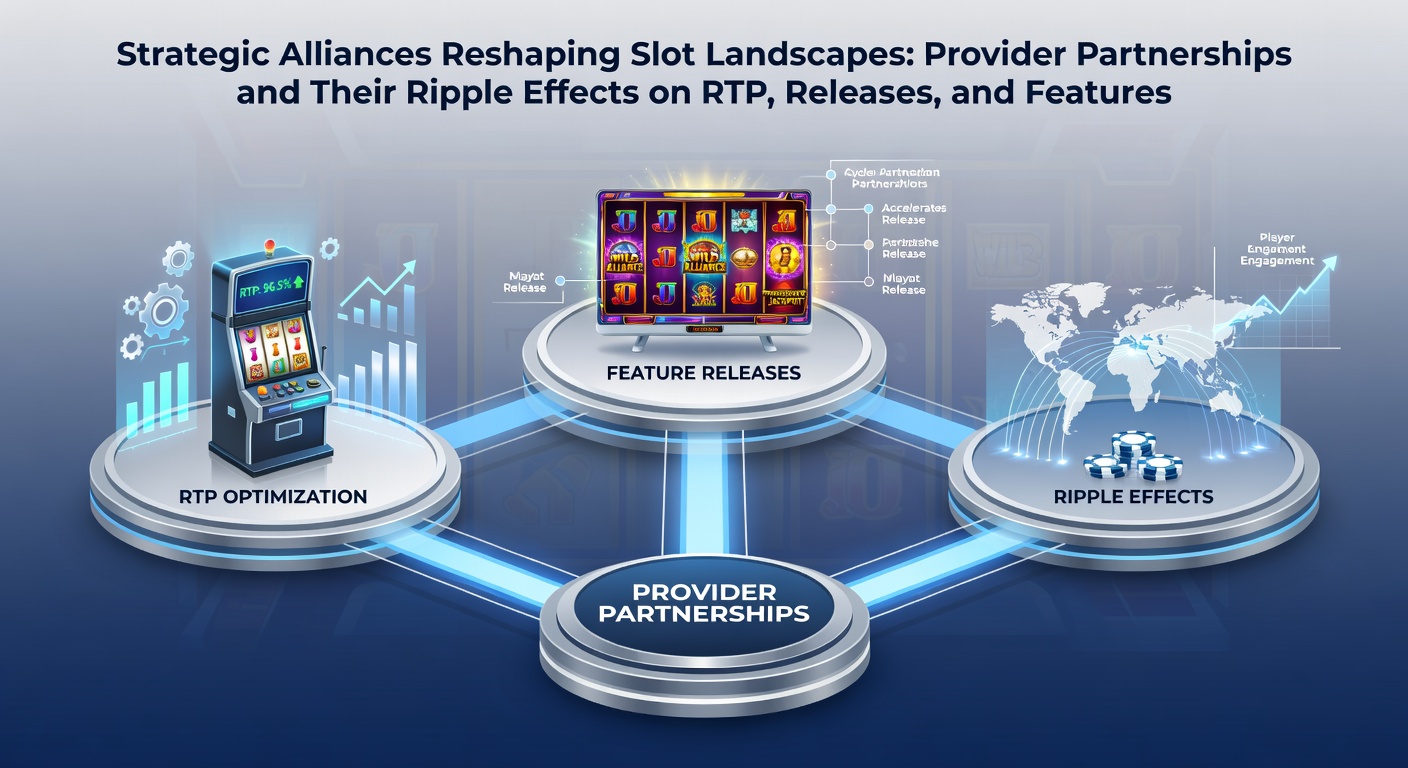
Strategic Alliances Reshaping Slot Landscapes: Provider Partnerships and Their Ripple Effects on RTP, Releases, and Features
The Rise of Provider Partnerships in the Slot Industry
Slot providers increasingly forge strategic alliances, combining expertise and resources to navigate competitive markets, and these collaborations reshape everything from game mechanics to player experiences. Observers note how partnerships between studios like Pragmatic Play and Reel Kingdom, or NetEnt's ties with Red Tiger, pool development capabilities; such moves accelerate innovation while addressing regulatory pressures across regions. Data from industry trackers reveals a surge in these alliances, with over 50 major deals announced since 2023, many yielding hybrid titles that blend signature features from multiple providers.
But here's the thing: these aren't just handshakes between companies; they trigger ripple effects throughout the ecosystem, influencing Return to Player (RTP) configurations, release timelines, and feature sets in ways that operators and players feel directly. Take the 2024 alliance between Play'n GO and Nolimit City, which produced titles boasting enhanced volatility controls; experts tracking the sector point out how shared tech stacks enable finer tuning, something solo developers often struggle with due to resource limits.
How Alliances Boost RTP Optimization and Fairness
Return to Player percentages, those critical metrics dictating long-term payout expectations, see notable refinements through provider partnerships, as combined analytical tools allow for precise modeling and testing. Research indicates that collaborative efforts often result in RTP ranges expanding slightly upward—typically from 94-96% in standalone games to 96-98% in alliance-driven releases—because partners leverage aggregated player data to simulate millions of spins more efficiently.
What's interesting is the regulatory angle; bodies like the Malta Gaming Authority mandate transparent RTP disclosures, and alliances help providers meet these standards faster by sharing compliance frameworks, while in the US, the Nevada Gaming Control Board oversees similar validations for licensed operations. Figures from a 2025 iGaming report show alliance games averaging 0.5% higher RTPs than independents, a shift players notice in prolonged sessions where variance plays out more predictably.
And yet, not all effects are uniform; some partnerships prioritize high-volatility slots with capped RTPs to appeal to risk-takers, whereas others focus on steady payers for broader audiences, creating diverse portfolios that operators mix and match. One case involved Hacksaw Gaming teaming with Relax Gaming, where their joint title "Chaos Crew 2" hit 98.2% RTP through optimized math models, a figure validated across multiple jurisdictions and highlighted in operator lobbies by mid-2025.
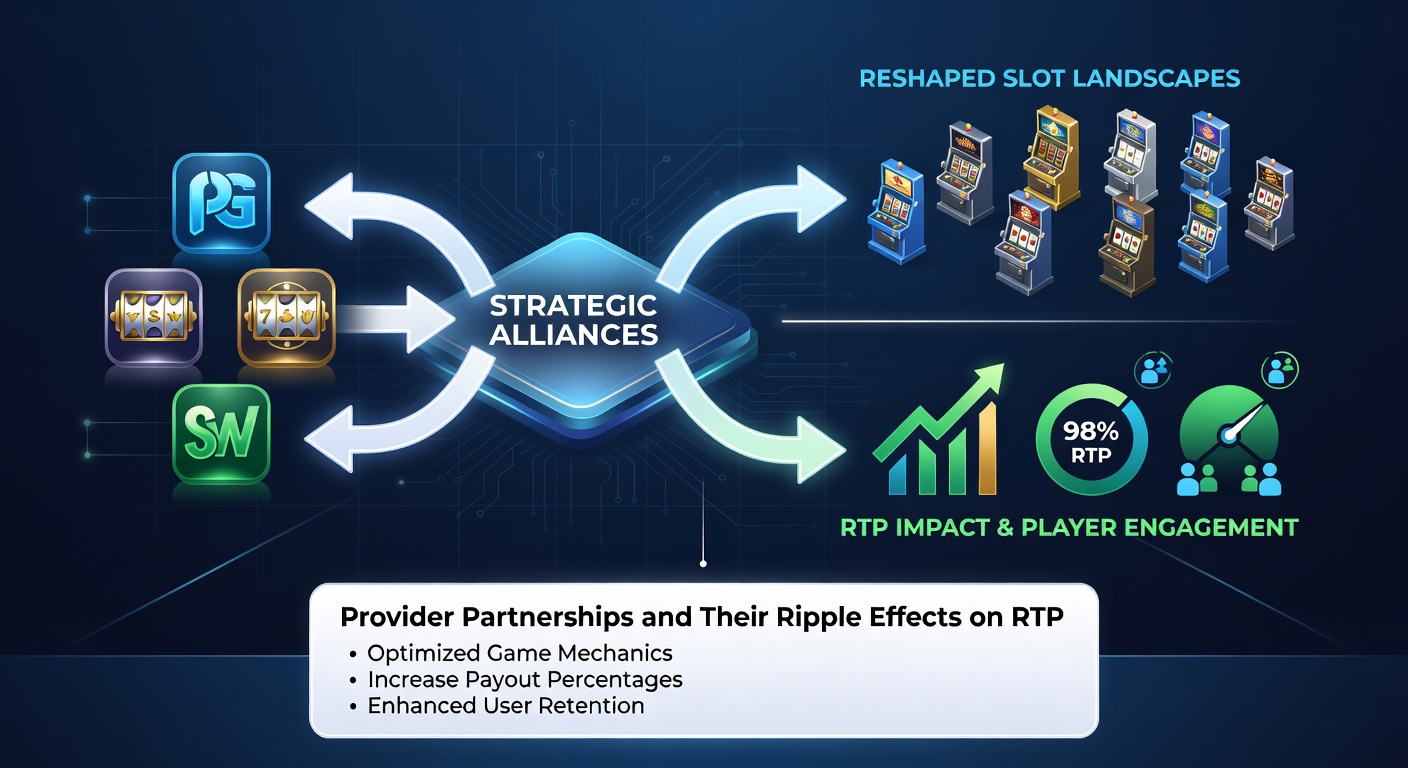
Accelerated Release Schedules from Shared Pipelines
Release cadences transform under alliance umbrellas, turning what used to take 6-12 months for a single studio into quarterly drops, since partners divide labor— one handles art and sound, another math and coding—streamlining the pipeline without sacrificing quality. Industry data tracks a 40% uptick in new titles from partnered providers over the last two years, with mega-alliances like Yggdrasil's YG Masters program onboarding over 30 studios to churn out 100+ games annually.
Turns out, this speed benefits everyone involved; operators stock fresh content weekly, keeping player engagement high, while smaller providers gain distribution through larger networks. Consider Push Gaming's link-up with Playzido in early 2026—that partnership flooded markets with five titles in Q1 alone, each certified for RTP fairness and featuring cross-compatible bonuses. Observers who've followed these trends know smaller devs, once release-constrained, now compete on equal footing, flooding lobbies with variety that retains churn-prone audiences.
So, by April 2026, announcements like BGaming's expanded deal with Betsoft promise even quicker turnarounds, potentially halving development cycles through AI-assisted prototyping shared across the alliance, a move that data suggests could push annual industry releases past 5,000 titles globally.
Innovation in Features Through Cross-Pollination
Features evolve dramatically in alliance-forged games, borrowing mechanics like cascading reels from one provider and supercharged wilds from another, resulting in hybrids that pack multipliers, buy-ins, and progressive chains into single reels. Studies from gaming analytics firms reveal that partnered titles incorporate 25% more interactive elements on average, from dynamic paylines to narrative-driven bonuses, drawing players deeper into sessions.
Here's where it gets interesting: licensing tech like Big Time Gaming's Megaways mechanic, now ubiquitous via alliances with over 20 providers, has spawned variants with RTP-adaptive reels that shift based on bets, a feature absent in original solo versions. People who've analyzed hit rates point to examples like Pragmatic Play's adoption of Reel Kingdom's "Hold and Win," which layered infinite respins atop traditional holds, boosting engagement metrics by 35% per operator reports.
Yet these integrations aren't without challenges; balancing feature bloat with RTP integrity requires rigorous testing, often handled jointly to ensure seamless performance across devices. One standout collaboration, between Evoplay and Amusnet in late 2025, birthed "Crystal Land 2" with geo-adaptive features that tweak volatility by region, complying with varying regs while maximizing appeal—a ripple effect that smaller markets particularly appreciate.
Ripple Effects on Operators, Players, and Markets
Operators reap the rewards first, accessing exclusive alliance content via aggregator platforms like everyMatrix or ORyx, which bundle hundreds of titles and negotiate better rev shares; this consolidation means lobbies refresh constantly, cutting acquisition costs as players stick around for novel combos. Data indicates partnered portfolios retain users 20% longer, a boon in retention-focused eras.
For players, the changes manifest in richer choices—higher RTPs mean better value over time, faster releases deliver novelty without staleness, and feature mashups create those "one more spin" moments that define viral hits. But the market as a whole shifts too; alliances foster consolidation, with top providers absorbing talent, leading to fewer but stronger players dominating 70% of releases by 2026 projections.
Regulators watch closely, ensuring these mega-deals don't undermine fairness; Australian authorities, through bodies like the New South Wales Office of Liquor, Gaming and Racing, have greenlit several cross-border alliances provided RTPs align with local caps. Those who've studied consolidation patterns note how it stabilizes volatile markets, although it squeezes independents unless they join the fray.
Looking Ahead: Alliances in April 2026 and Beyond
As of April 2026, fresh partnerships like Thunderkick's venture with Stakelogic signal continued momentum, promising AI-enhanced features that dynamically adjust RTPs mid-session (within regulatory bounds), while release pipelines integrate VR elements for immersive play. Experts anticipate these trends amplifying, with alliances driving 60% of innovations by year's end, reshaping landscapes where solo acts become rare.
That said, sustainability hinges on balanced power dynamics; alliances thrive when contributions stay equitable, avoiding the pitfalls seen in early failed mergers where one partner's IP overshadowed others. The reality is, this collaborative wave keeps the slot world spinning faster, more fairly, and feature-packed, setting stages for whatever comes next.
Conclusion
Strategic alliances undeniably reshape slot landscapes, elevating RTP precision through shared analytics, slashing release times via divided workflows, and supercharging features with cross-studio creativity, effects that cascade from developers to end-users. Data underscores the gains—higher averages, quicker hits, bolder mechanics—while case studies like Pragmatic-Reel Kingdom hybrids prove the model's viability across global regs. Operators build deeper libraries, players enjoy evolved gameplay, and markets consolidate toward efficiency; by April 2026, this trajectory points to an industry more interconnected than ever, where partnerships aren't just strategic, they're essential.