Spotting Subtle Shifts in Reel Dynamics Triggered by Cross-Studio Alliances
Leon Jenkins · Jul 21, 2026
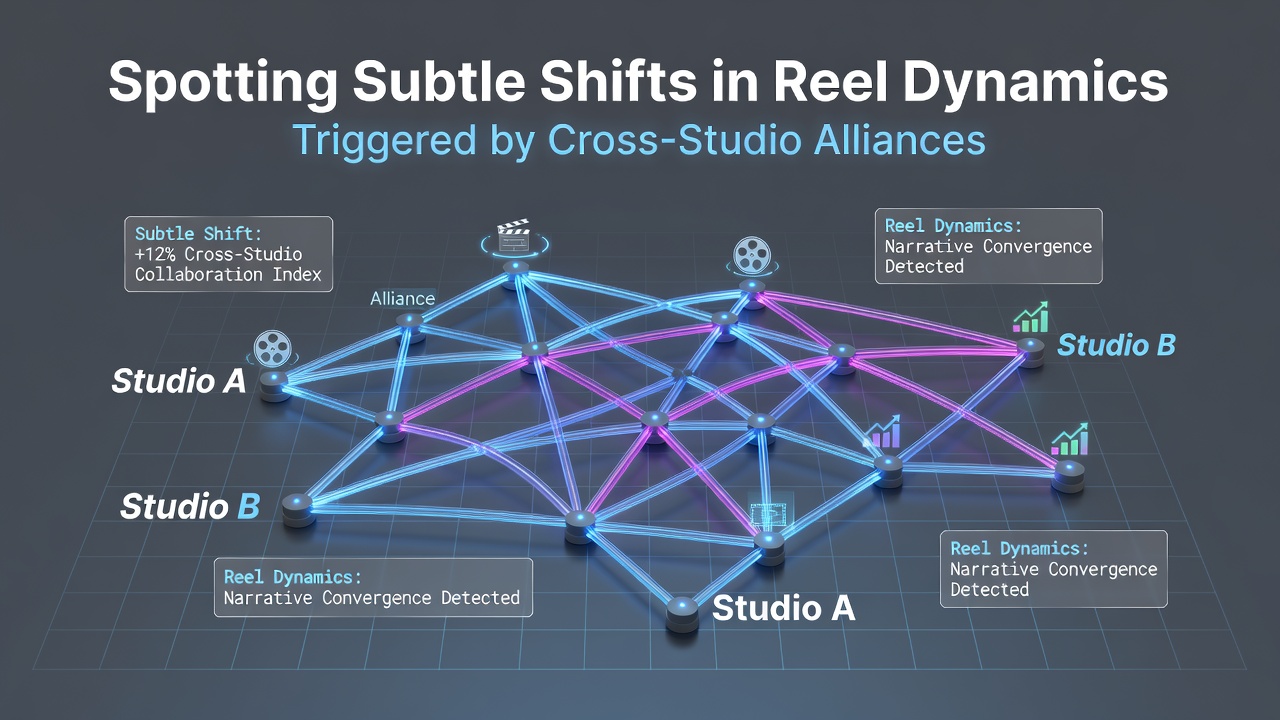
Spotting Subtle Shifts in Reel Dynamics Triggered by Cross-Studio Alliances
Cross-studio alliances in the slot development sector produce measurable adjustments to reel behaviors that extend beyond standard feature additions, and observers tracking these partnerships note incremental modifications in spin sequences, symbol weighting, and stopping patterns that emerge gradually across multiple titles. These changes often surface through shared code libraries or joint technology platforms, where one studio's reel engine integrates elements from another, resulting in altered symbol drop frequencies and interaction rules that affect gameplay flow without immediate announcement. Data compiled through aggregator monitoring tools reveals that such alliances accelerate the adoption of refined physics simulations on reels, including variable deceleration rates and cluster formation tendencies that differ from pre-alliance versions of the same software frameworks.
Mechanics Behind Observed Reel Adjustments
Reel dynamics encompass the programmed rules governing how symbols align, cascade, or expand during spins, and alliances introduce compatibility layers that tweak these rules to support cross-promotional elements like shared progressive meters or synchronized bonus rounds. When two studios combine resources, engineers merge reel grid configurations, which leads to subtle recalibrations in hit rates for specific symbol combinations while maintaining overall mathematical models. Research from academic gaming programs at institutions such as the University of Nevada, Las Vegas indicates that these integrations create hybrid reel states where legacy mechanics from each partner influence the final output, producing patterns like extended wild symbol persistence or modified scatter trigger thresholds that appear only after the alliance takes effect.
Industry reports highlight cases where alliances finalized in early 2026 prompted updates rolled out during summer months, including July, when several mid-tier providers synchronized their reel engines to enable unified tournament modes across different operator platforms. These updates manifest as changes in reel speed variance and landing predictability, allowing for smoother transitions between base game spins and feature entries without altering advertised return percentages. Aggregators distributing the updated libraries report that testing phases uncover these shifts through comparative analysis of pre- and post-alliance build logs, where reel stop position algorithms incorporate new weighting factors derived from the collaborating studio's proprietary datasets.
Case Examples of Alliance-Driven Reel Evolution
One documented instance involves a partnership between a European developer specializing in high-volatility grids and an Asian studio focused on cluster-pay systems, which resulted in reel dynamics that blend expanding symbol behaviors with multi-directional payline evaluations. Following the integration, titles released under the joint banner displayed altered cascade timings and symbol transformation rules that differed from either studio's standalone releases, as confirmed through independent compliance testing records. Such evolutions require operators to adjust their platform configurations accordingly, since the new reel interactions affect session length metrics tracked by backend analytics systems.
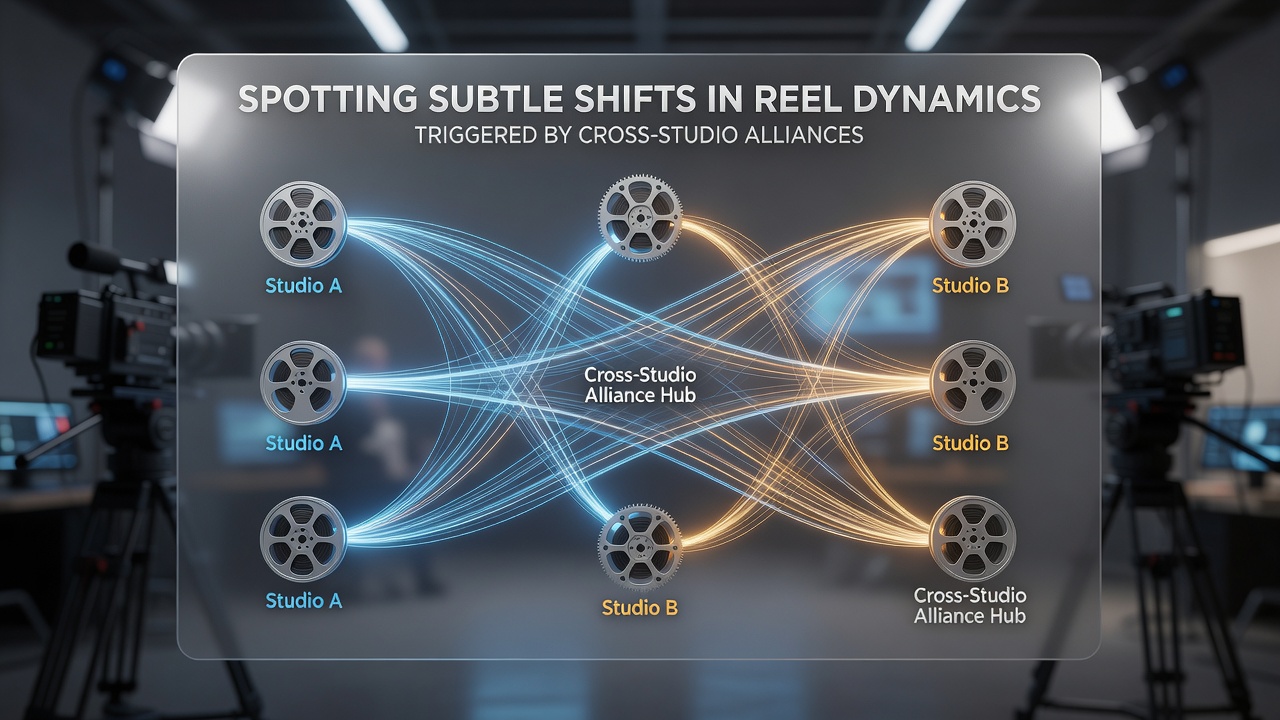
Another pattern emerges when alliances target mobile optimization, prompting reel engines to adopt variable frame rates that influence perceived spin momentum and stopping precision. In July 2026, several alliances announced expanded testing protocols that incorporated real-time data from regulated markets, leading to reel adjustments calibrated against player engagement logs from multiple jurisdictions. The Australian Communications and Media Authority has published aggregated statistics on gaming technology updates that reflect similar collaborative influences on software stability and feature consistency across providers operating in the region.
Monitoring and Detection Approaches
Those responsible for cataloging slot updates rely on automated comparison scripts that analyze reel grid outputs frame by frame, identifying deviations in symbol velocity curves or interaction probabilities that signal alliance-related modifications. These tools flag changes such as revised bonus reel entry conditions or new chaining mechanics that propagate through shared modules rather than appearing as overt headline features. European Gaming and Betting Association publications detail how member companies document these incremental updates to maintain transparency with regulatory bodies, ensuring that reel behavior documentation accompanies each software version release.
Operators benefit from maintaining version histories that allow direct side-by-side evaluation of reel performance metrics before and after alliance implementations, which helps isolate the precise points where dynamics shift. This practice supports compliance workflows and enables precise communication with players regarding any functional adjustments in ongoing game sessions.
Conclusion
Alliance effects on reel dynamics continue to evolve as more studios adopt interconnected development pipelines, with detection relying on systematic technical audits and cross-referenced performance data. The resulting adjustments integrate seamlessly into existing libraries, producing measurable yet understated variations that shape long-term gameplay characteristics across distributed titles.