Shifting Player Strategies Through Evolving Bonus Mechanics in Developer and Operator Collaborations
Avery Schmitz · May 17, 2026
Shifting Player Strategies Through Evolving Bonus Mechanics in Developer and Operator Collaborations
Collaborations between slot developers and casino operators continue to reshape bonus mechanics, and these shifts prompt players to adjust their approaches to gameplay in measurable ways. Data from industry tracking services shows that integrated teams now prioritize dynamic reward triggers over static free-spin rounds, which alters session lengths and bet-sizing patterns across multiple markets.
Recent Developments in Bonus Structures
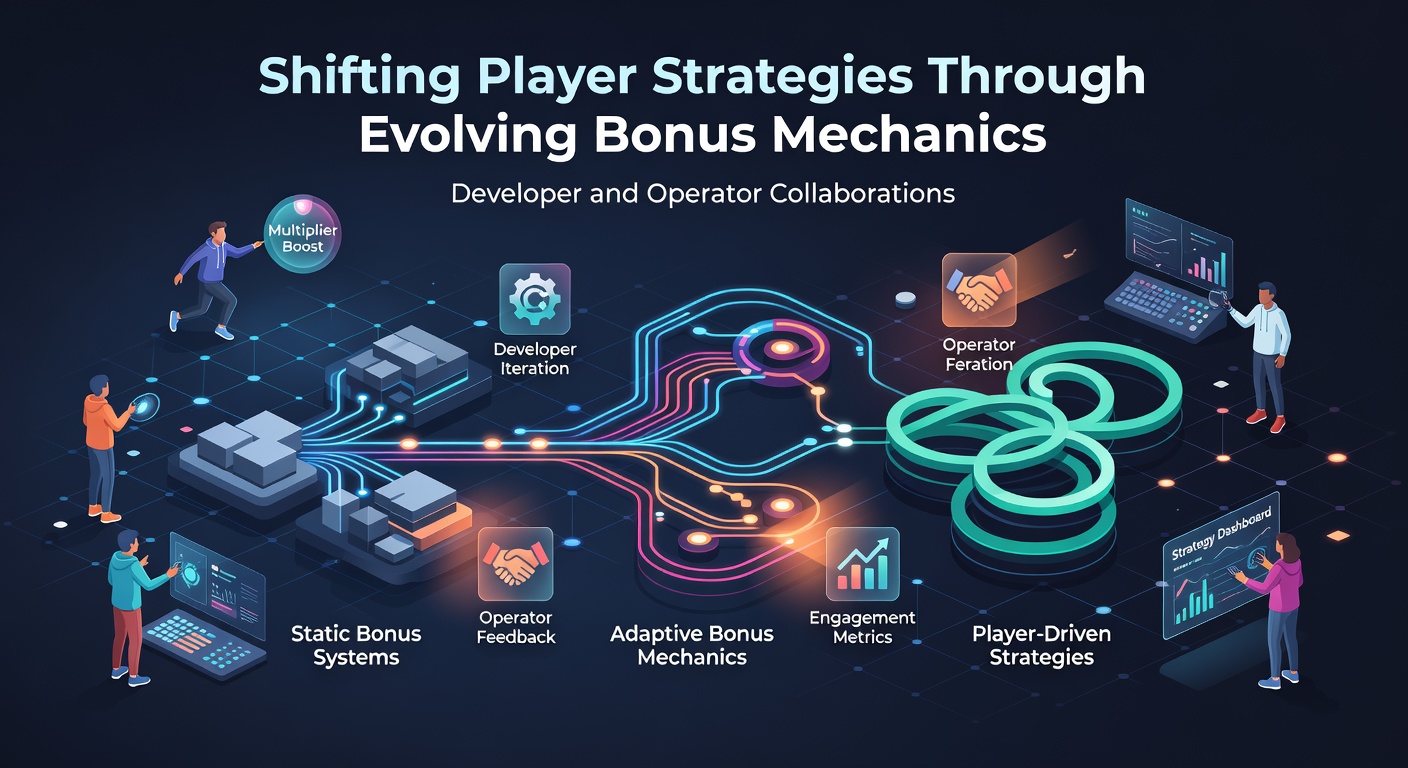
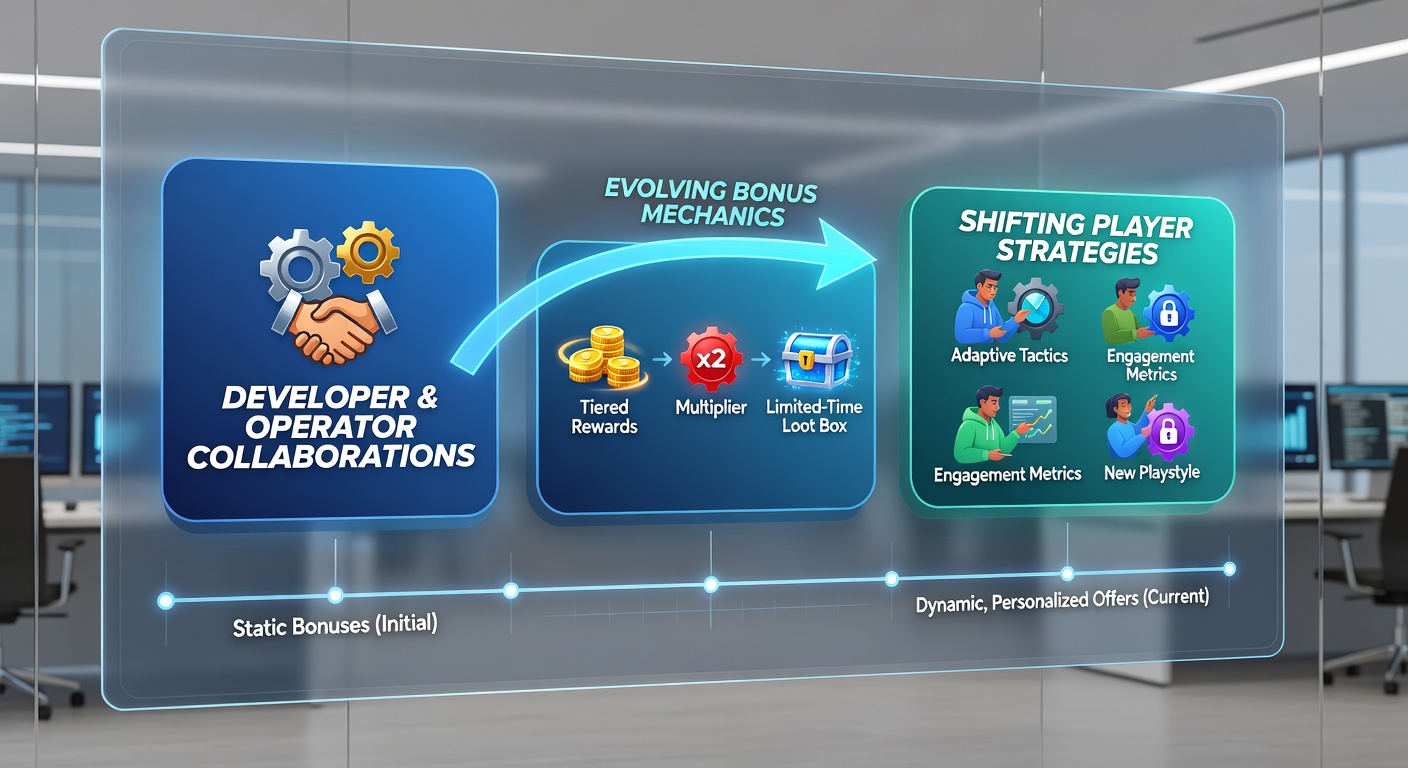
Developers and operators work together to embed layered bonus elements such as cascading multipliers, progressive jackpots tied to operator loyalty systems, and time-limited challenges that reset based on collective player activity. By May 2026, several partnerships had introduced mechanics where bonus eligibility depends on real-time data shared between the game studio and the platform backend, creating opportunities for players to time their entries during peak accumulation windows. Observers note that these features encourage smaller, more frequent wagers rather than the all-in approaches once common in older titles.
Research indicates that when operators supply player-segment data directly to developers, the resulting bonus designs often include personalized thresholds that activate after specific deposit or play-volume milestones. This integration reduces reliance on universal triggers and instead rewards consistent engagement across different game libraries. Figures reveal that average session duration increased in partnered titles during the first quarter of 2026, while single-bet variance decreased compared with non-collaborative releases.
How Partnerships Influence Player Decision-Making
Players adapt their strategies once they recognize that bonus frequency and payout potential now correlate with operator-specific promotions. Instead of chasing every available spin, many now track loyalty point accrual rates and align their play windows with scheduled bonus events promoted through the casino interface. Studies from academic gaming research centers demonstrate that participants who monitor these synchronized calendars achieve higher bonus activation rates than those who follow generic timing heuristics.
What's interesting is the way mobile and desktop interfaces display shared progress bars for collaborative features, giving users immediate feedback on how close they sit to the next reward tier. This visibility prompts mid-session adjustments, such as switching from high-volatility to medium-volatility games within the same operator ecosystem. Evidence suggests that such behavior spreads quickly through player communities once early adopters share screenshots of their triggered bonuses on forums and social channels.
Regional Examples and Regulatory Context
In North American markets, operators in New Jersey have partnered with multiple studios to test bonus mechanics that comply with local reporting requirements while still offering escalating multipliers. According to data published by the New Jersey Division of Gaming Enforcement, these joint releases showed a 12 percent rise in bonus-related handle during spring 2026 compared with teh prior period. Players in those jurisdictions responded by spreading smaller bets across several partnered titles instead of concentrating funds in single games.
Across the European Union, similar alliances between developers and operators produced bonus structures that incorporate responsible gaming tools directly into the reward sequence. A report issued by the Responsible Gambling Council documented how Canadian provincial operators adopted comparable frameworks after observing European outcomes, resulting in synchronized bonus pauses that encourage players to set session limits before activating high-value features. Those who studied the transition found that self-imposed pauses correlated with steadier long-term bankroll management across tested cohorts.
Measuring Strategic Shifts Through Data
Analytics platforms now capture granular metrics on how bonus modifications affect player retention and spend distribution. When developers and operators share telemetry in near real time, they identify which bonus layers generate repeat visits versus one-time spikes. This feedback loop leads to iterative refinements that reward measured play rather than impulsive escalation. Observers note that titles featuring these refined mechanics maintain steadier daily active user counts even during promotional lulls.
Take one mid-sized operator that integrated a developer’s progressive bonus pool with its own tiered loyalty program in early 2026. Within weeks, players began clustering bets around the exact thresholds needed to unlock the next pool contribution, a pattern confirmed through aggregated session logs. Researchers discovered that this clustering effect appeared across age groups and device types, indicating broad adaptation rather than niche behavior.
Conclusion
Developer and operator collaborations continue to drive bonus mechanics toward greater personalization and shared data integration, prompting players to refine timing, bet sizing, and game selection accordingly. As these partnerships expand into additional jurisdictions through 2026, the resulting strategic adjustments become more pronounced and easier to track through public performance indicators. Those monitoring the sector can expect further iterations that tie reward structures even more closely to individual and collective play patterns.