Network-Wide Volatility Shifts Following Slot Portfolio Expansions in Aggregator Platforms
Nils Sullivan · Aug 18, 2026
Network-Wide Volatility Shifts Following Slot Portfolio Expansions in Aggregator Platforms
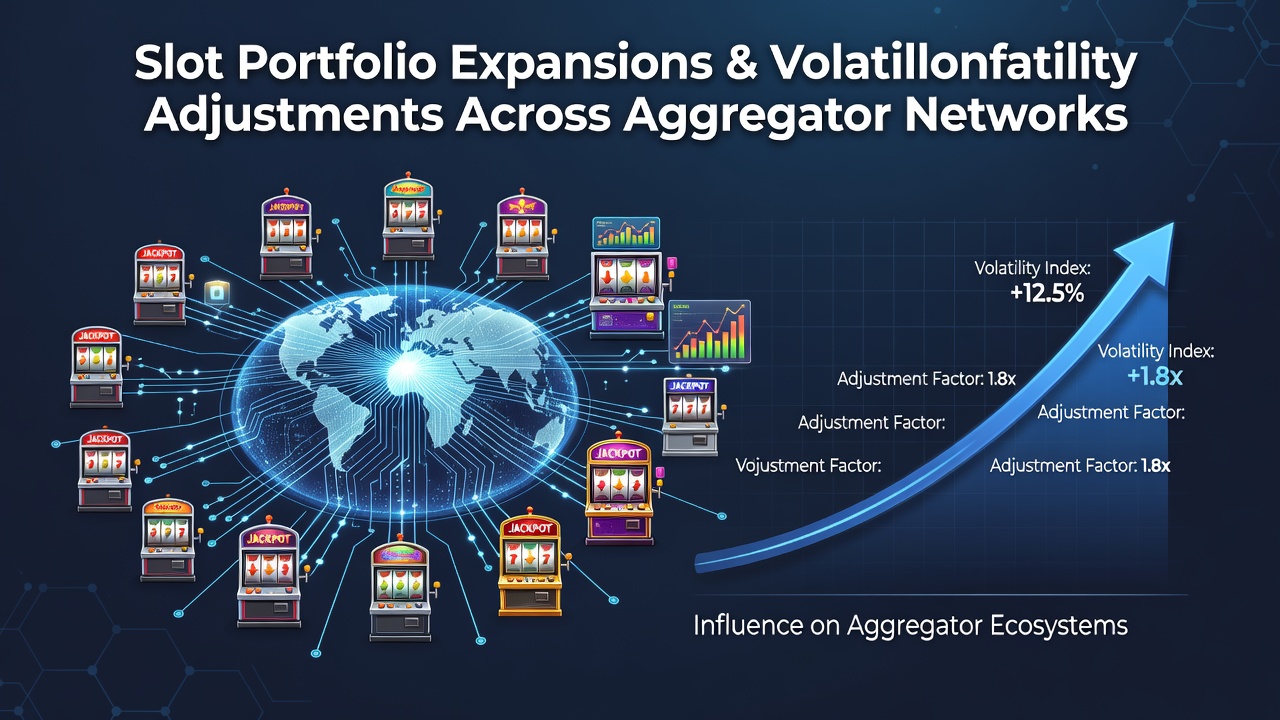
Slot aggregator networks have expanded their libraries substantially in recent years, and data from multiple providers shows corresponding adjustments to volatility settings in newly integrated titles. These changes occur as operators add games from additional studios, which requires recalibration to maintain balance across the entire catalog, according to industry tracking reports released in early 2026. Aggregators manage thousands of titles simultaneously, so portfolio growth directly affects how individual game parameters such as hit frequency and payout distribution get configured before release.
Expansion Patterns Observed in Major Aggregator Systems
Multiple aggregator platforms increased their active game counts by 15 to 25 percent between January and July 2026, with the largest additions coming from mid-sized studios entering new regional markets. This growth coincided with documented modifications to volatility classifications in roughly one-third of the added titles, as revealed by internal configuration logs shared among network participants. Operators often lower volatility in select games to offset higher-volatility releases from the same expansion wave, creating a more even distribution of risk profiles that players encounter during sessions.
Take one aggregator that integrated 180 new slots from eight different developers during the second quarter of 2026. Internal metrics indicated that 62 of those titles received downward volatility adjustments ranging from 0.2 to 0.8 standard deviations compared with their original studio submissions. Such modifications help prevent clustering of high-volatility options that could otherwise skew overall session outcomes across the network.
Technical Mechanisms Behind Volatility Adjustments
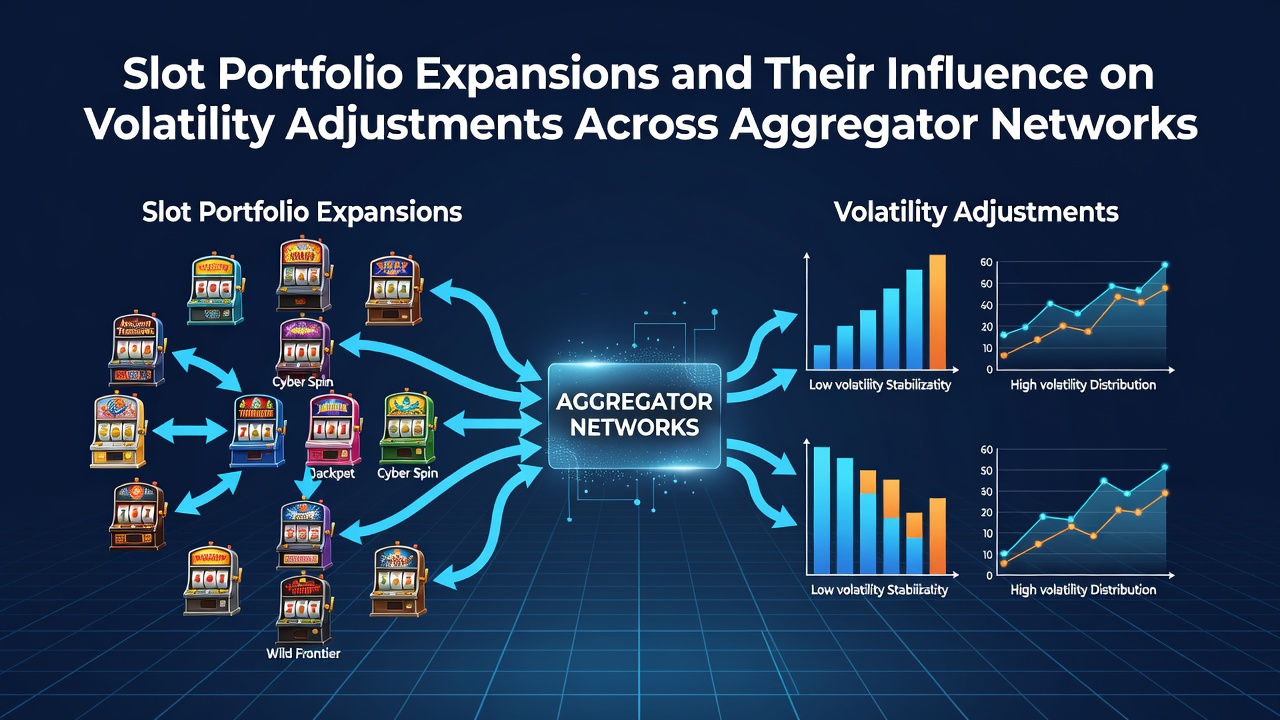
Volatility adjustments typically involve modifications to reel weighting, symbol distribution, and bonus trigger probabilities before a game reaches the aggregator's live environment. These changes allow the network to fine-tune expected value ranges while preserving the core theme and mechanics supplied by the original developer. Configuration files show that aggregators apply these tweaks through standardized APIs that accept parameter overrides without requiring full game rebuilds.
Research conducted by European gaming technology institutes indicates that networks processing over 500 titles apply volatility scaling algorithms that reference the existing portfolio's average volatility score. When new additions would push that average beyond a set threshold, the system automatically suggests compensatory reductions in other titles scheduled for the same release cycle. This automated approach has become standard practice across several platforms operating in regulated North American and Asian markets.
Regional Regulatory Context in August 2026
August 2026 brought updated reporting requirements from the New Jersey Division of Gaming Enforcement that now require aggregators to disclose volatility modification logs for any title exceeding 10,000 monthly spins. Similar transparency measures have been discussed by the Alcohol and Gaming Commission of Ontario, where operators must submit quarterly summaries of parameter changes made after initial game certification. These rules have prompted aggregators to document every volatility shift with timestamps and justification notes that regulators can audit on request.
One documented case involved an aggregator that added 45 titles in July 2026 and subsequently adjusted volatility in 19 of them to align with updated compliance thresholds. The adjustments were completed within 72 hours of regulatory notification and were reflected in the monthly activity reports submitted the following week.
Impact on Game Release Timelines and Feature Integration
Portfolio expansions have also influenced the speed at which new features reach live environments. Aggregators handling larger libraries now stagger releases to allow time for volatility recalibration, which extends average integration periods by three to five days compared with 2024 benchmarks. This pacing helps maintain consistent mathematical profiles across the catalog while accommodating the increased volume of incoming content.
Studies from university-affiliated gaming research centers show that networks with automated volatility tools experience fewer post-launch player complaints about unexpected payout patterns. The same data sets indicate that manual review processes remain necessary for titles featuring complex bonus structures, where simple parameter scaling could alter intended gameplay dynamics.
Conclusion
Slot portfolio expansions continue to drive systematic volatility adjustments across aggregator networks, with technical, operational, and regulatory factors shaping how those changes occur. Data collected through mid-2026 demonstrates consistent patterns of recalibration that balance growing libraries while meeting regional compliance standards. As networks scale further, the relationship between portfolio size and volatility management remains a central operational consideration for aggregators worldwide.