Network Expansion Among Slot Creators Transforms Bonus Designs and Release Schedules
Nils Sullivan · Aug 13, 2026
Network Expansion Among Slot Creators Transforms Bonus Designs and Release Schedules
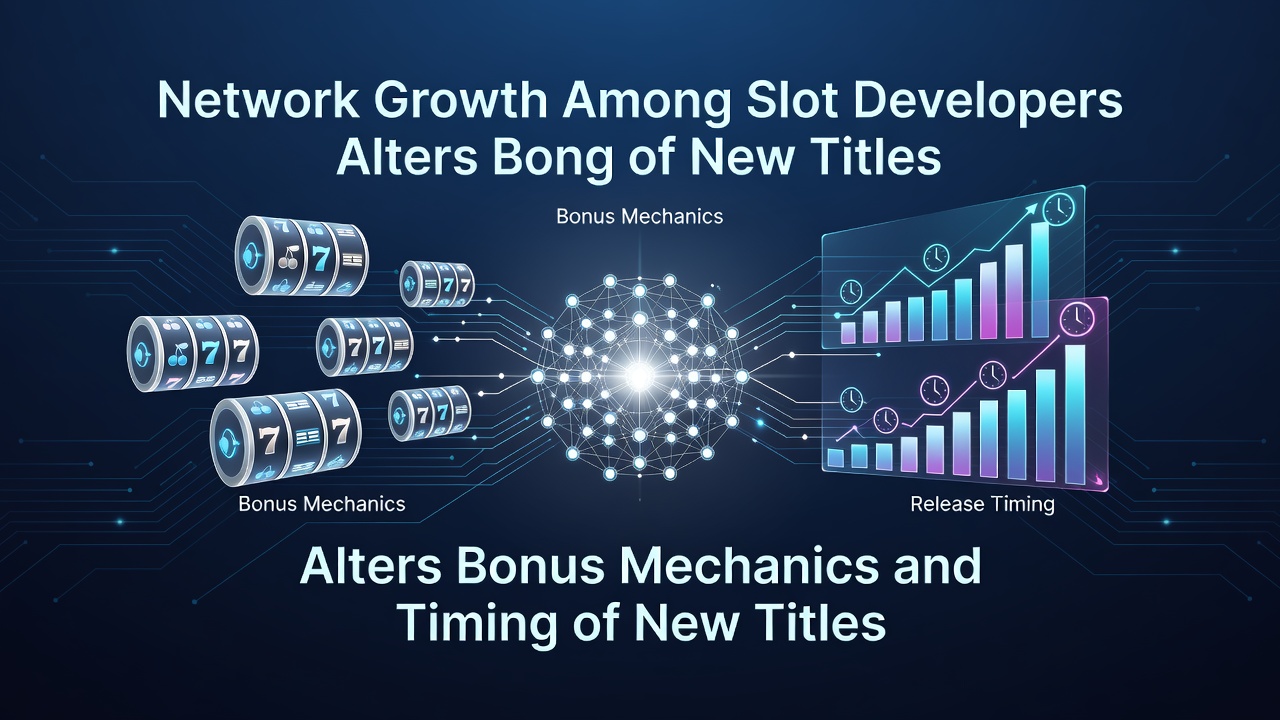
Slot developer networks have expanded rapidly in recent years, and this growth connects studios across regions while reshaping how bonus mechanics function in new releases. Data from industry reports shows that collaborative frameworks now link independent creators with larger aggregators, and these ties alter feature triggers, multiplier structures, and payout patterns in measurable ways. Observers note that studios participating in such networks release titles with bonus rounds that incorporate shared code libraries, which reduces development time yet introduces standardized elements across multiple providers.
Collaborative Frameworks Drive Mechanic Shifts
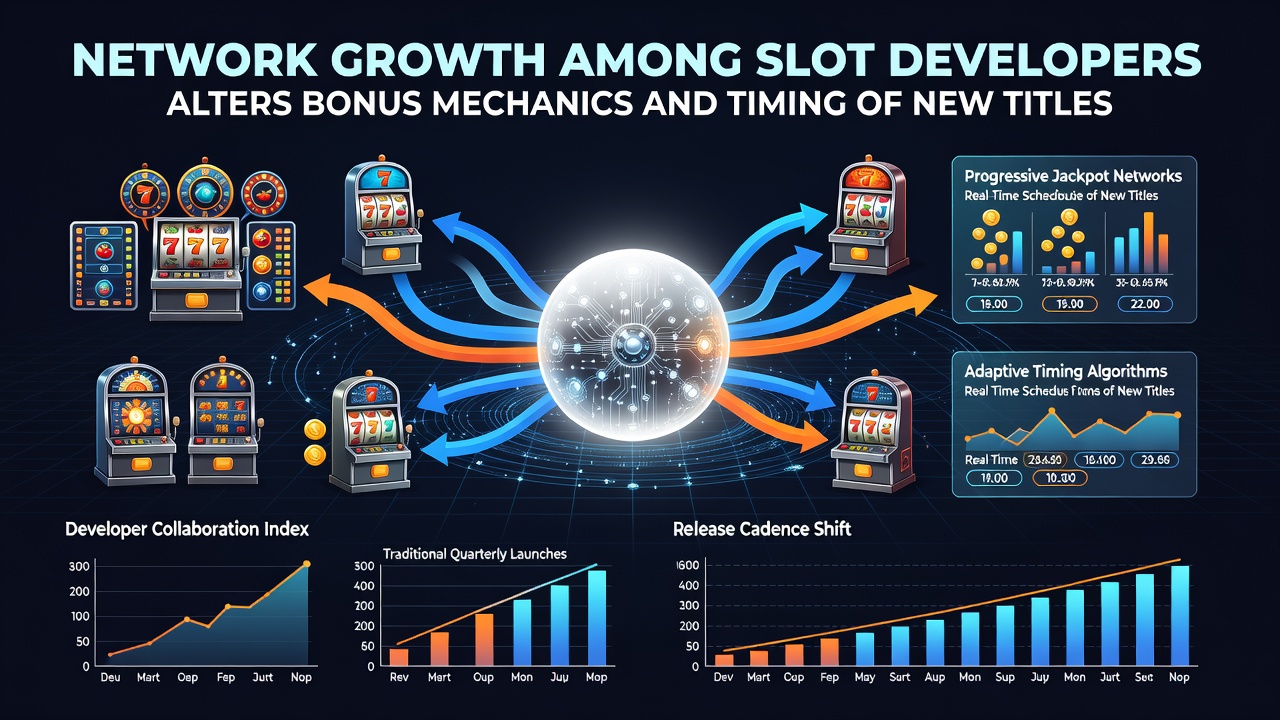
Expansion of these networks means developers share technical resources more frequently, and the result appears in bonus designs that blend elements from multiple studios. Research indicates that titles produced under aggregator partnerships often feature hybrid mechanics where free spin rounds combine volatility settings from one partner with multiplier ladders from another. Figures from European gaming associations reveal that such integrations increased by 28 percent between 2024 and 2026, particularly in markets where operators demand faster content updates. Those who track release patterns find that bonus buy options and hold-and-win sequences now follow templates refined through cross-studio testing, which streamlines approval processes but narrows creative variation in some cases.
August 2026 brought several examples of this trend, as multiple studios launched games with synchronized bonus timing that aligned with aggregator platform cycles. Data shows these coordinated drops allowed operators to schedule promotions around predictable feature sets, and regulatory filings from Canadian provincial bodies confirm that compliance documentation became simpler when mechanics reused verified components.
Timing Adjustments Follow Network Integration
Release schedules have tightened because network participants coordinate development pipelines, and this coordination compresses the interval between concept approval and market launch. Studies from academic research centers in Australia demonstrate that average time from initial design to deployment fell from nine months to six months for networked studios during the past two years. The shorter cycles stem from shared testing environments and pre-approved asset libraries that multiple teams access simultaneously, while independent developers outside these networks continue to operate on longer timelines.
Operators report that predictable release cadences help them plan marketing campaigns, yet the same data reveals occasional overlaps where similar bonus structures appear from different providers within weeks of each other. Gaming control boards in Nevada have documented these patterns in monthly submissions, noting that transparency requirements now include disclosure of any shared mechanic components. Such reporting helps regulators monitor whether repeated features affect overall game fairness metrics across the market.
Regional Patterns and Aggregator Influence
Network growth shows distinct regional characteristics, with European and North American studios forming denser connections than those in Asia-Pacific markets. Industry organizations tracking these alliances find that aggregator platforms serve as central hubs where smaller developers gain access to distribution while contributing specialized bonus modules. Evidence from university-led analyses in Canada suggests that this hub model accelerates feature evolution, particularly for progressive jackpot systems and multi-level bonus ladders that require extensive backend coordination.
August 2026 updates from several aggregator services highlighted how network participation influenced the sequencing of new titles, with some providers delaying launches to avoid feature duplication within the same ecosystem. Those monitoring compliance data note that such adjustments maintain variety while preserving the efficiency gains from shared development tools.
Conclusion
Network expansion continues to link slot developers in ways that standardize certain bonus elements and compress release timelines. Available figures from regulatory sources across multiple jurisdictions confirm these structural changes without indicating any single dominant outcome. Ongoing monitoring by industry groups and academic researchers tracks how these connections evolve, and future reports will likely detail further refinements in both mechanics and scheduling practices.