Exploring Growth Dynamics in Slot Studios and Their Impact on Volatility Settings in Aggregator Systems
Avery Schmitz · Aug 27, 2026
Exploring Growth Dynamics in Slot Studios and Their Impact on Volatility Settings in Aggregator Systems
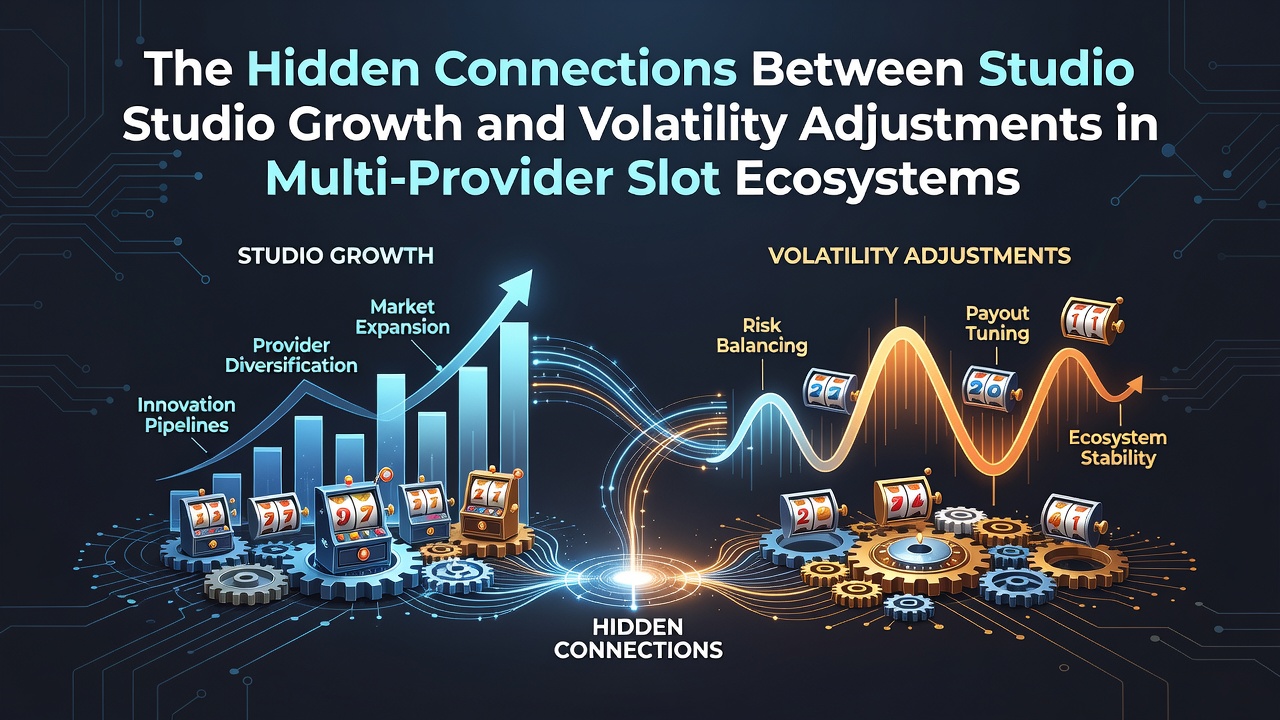
Studio expansion in the online slot sector often aligns with shifts in volatility parameters when developers operate inside aggregator frameworks that connect multiple providers to shared casino platforms, and data from industry reports shows these adjustments help balance player engagement across diverse libraries while studios scale their output.
Patterns of Studio Scaling and Risk Profile Modifications
Observers note that as slot studios increase their game portfolios through aggregator partnerships, volatility levels in new releases frequently move toward medium-high ranges to accommodate broader distribution demands, whereas smaller studios starting out tend to experiment with lower volatility titles that attract steady play volumes in early market entries.
Research indicates studio growth correlates with modifications to bonus round frequencies and multiplier structures, since aggregators require consistent performance metrics across operators in regions like North America and Europe, and this leads developers to recalibrate reel mechanics so that hit rates support longer session times without overwhelming payout spikes.
Role of Aggregators in Facilitating These Adjustments
Aggregator platforms enable studios to reach multiple operators simultaneously, which in turn prompts volatility tweaks because centralized distribution exposes games to varied regulatory environments and player preferences, yet developers maintain core mathematics models that allow fine-tuning without full redesigns.
Figures reveal that between 2024 and 2026 several mid-sized studios expanded their teams by 30 percent or more while releasing titles with adjusted volatility bands, and this pattern appears in ecosystems where providers integrate with hubs that track real-time performance data across US and Australian markets.
Case Examples from Recent Expansions
Take one studio that grew its catalog from 20 to over 80 titles in two years through aggregator channels, where volatility settings shifted from high-risk models in initial releases to hybrid structures that incorporate both frequent small wins and occasional larger multipliers, allowing the developer to meet operator requests for stable revenue curves.
Another example involves providers who partnered with multiple aggregators in August 2026, resulting in updated game engines that support dynamic volatility sliders during testing phases, and this flexibility helps studios respond to feedback from operators in jurisdictions such as New Jersey and Ontario without delaying launch schedules.
What's interesting is how these connections surface in release timelines, since growing studios often align new volatility adjustments with aggregator update cycles to ensure compatibility across casino networks, and this synchronization reduces technical friction while maintaining mathematical integrity in the underlying random number generators.
Data Trends Across Multi-Provider Networks
According to reports from the New Jersey Division of Gaming Enforcement, aggregated slot performance data collected in 2025 highlighted a rise in medium-volatility titles from expanding studios, with average return-to-player figures holding steady around 96 percent while hit frequencies increased to support wider player bases.
Industry analyses from the Gaming Standards Association further demonstrate that studios scaling operations through aggregator frameworks implement volatility changes at a rate roughly twice that of independent developers, since shared infrastructure allows rapid A/B testing of reel configurations and bonus triggers across global operator pools.
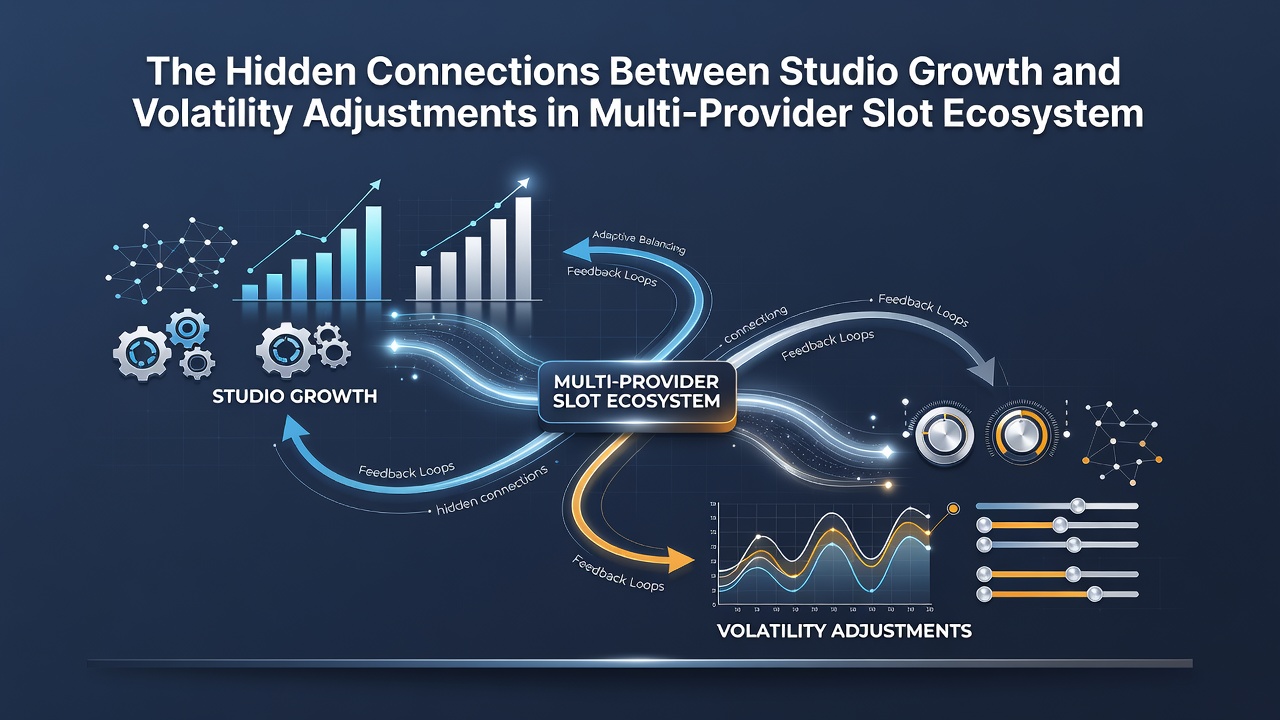
Yet these adjustments do not occur in isolation, because multi-provider ecosystems track cross-studio metrics that influence individual decisions, and observers find studios often mirror volatility patterns seen in high-performing titles from partner developers to optimize placement in recommendation algorithms used by casino platforms.
Regulatory and Technical Influences on Adjustments
Regulatory bodies in different regions require transparency around volatility disclosures, which encourages studios undergoing growth to document changes thoroughly when submitting games through aggregators, and this process can lead to standardized approaches that balance innovation with compliance across markets.
Technical integrations within aggregator systems support these modifications through modular game engines, where volatility parameters can be recalibrated during certification without affecting other aspects of gameplay such as theme or audio design, allowing efficient updates as studios expand their presence.
Conclusion
The connections between studio growth and volatility adjustments in multi-provider slot ecosystems reflect coordinated responses to distribution scale, performance tracking, and regulatory requirements, with data showing consistent patterns across expanding developers who utilize aggregator networks for broader reach, and these dynamics continue to shape release strategies as of August 2026 in key markets worldwide.