Evolving Slot Mechanics Shift Volatility Patterns in Aggregator Frameworks
Rosa Hartmann · Jun 30, 2026
Evolving Slot Mechanics Shift Volatility Patterns in Aggregator Frameworks
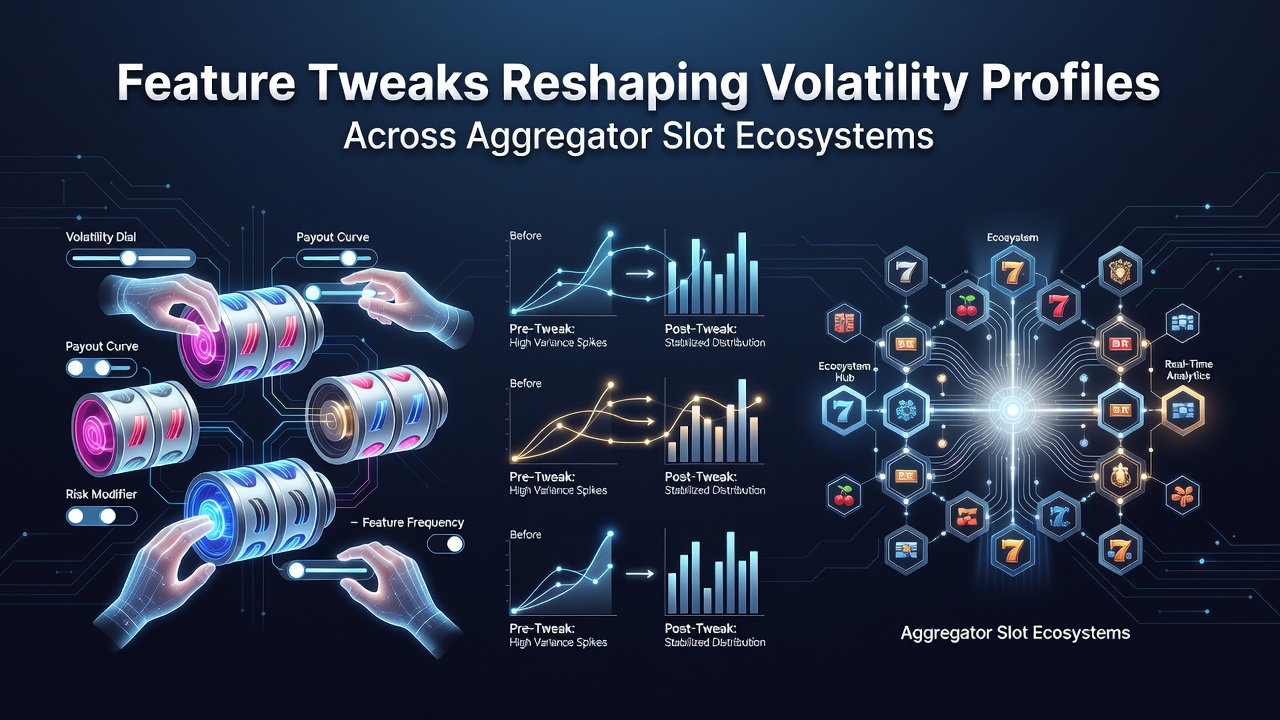
Feature modifications in online slot development continue to influence how volatility manifests across aggregator platforms that connect providers with operators. These adjustments often involve reel configurations, bonus trigger frequencies, and multiplier distributions that alter risk exposure for players without changing core game themes. Data from industry monitoring services shows these tweaks have accelerated since early 2025 as aggregators seek to differentiate their libraries amid growing competition.
Mechanics Driving Volatility Changes
Aggregators manage thousands of titles from various studios, and small alterations in payline structures or wild symbol behaviors can recalibrate a game's variance profile significantly. For instance, increasing the number of ways to win while reducing hit frequency tends to push certain games toward higher volatility, whereas adding more frequent low-value bonuses can moderate swings. Observers note that these modifications allow platforms to refresh existing content rather than commission entirely new releases every quarter.
Studies conducted by academic researchers at institutions focused on gaming analytics reveal that volatility recalibrations often correlate with seasonal release schedules. In June 2026 several major aggregators implemented updates that adjusted scatter symbol weights in over 300 titles, resulting in measurable shifts in average session lengths according to operator telemetry. These changes emerged alongside broader platform optimizations that prioritize smoother integration between studio outputs and casino backends.
Impact on Aggregator Ecosystems
Platforms that aggregate content must balance provider demands with operator requirements for diverse risk profiles. When one studio modifies a popular mechanic such as expanding reels or progressive elements, the ripple effect can influence how similar games from other developers perform within the same ecosystem. This interconnectedness means aggregators track volatility metrics closely to maintain portfolio balance and avoid clustering too many high-variance options together.

According to figures from the Canadian Centre for Gaming Research, aggregator-driven tweaks accounted for approximately 18 percent of all volatility adjustments reported across North American-facing platforms during the first half of 2026. These modifications frequently target bonus round structures, where altering the number of free spins awarded or the multiplier cap produces noticeable differences in expected value calculations. Developers collaborate with aggregators to test these variations before full deployment, ensuring compatibility across multiple jurisdictions.
Regional Regulatory Influences
Regulatory bodies in different regions shape how these feature tweaks reach players. The Nevada Gaming Control Board requires detailed documentation of any mechanic changes that affect return-to-player percentages or volatility indicators, which has encouraged aggregators to standardize reporting processes. Meanwhile European operators face separate compliance layers that emphasize transparency in how bonus features interact with overall game variance.
Those who analyze market data point out that June 2026 saw increased focus on cross-border consistency, particularly as more studios released content through aggregator channels rather than direct integrations. This approach reduces duplication of testing efforts while allowing subtle regional customizations that respect local rules on maximum bet limits and feature disclosures.
Technical Implementation Across Platforms
Behind the scenes, aggregators employ middleware that supports dynamic parameter adjustments without requiring full game rebuilds. Engineers can modify elements such as reel strip compositions or symbol weighting tables through configuration files, enabling rapid iteration based on performance metrics. This technical flexibility has proven valuable for responding to player behavior patterns observed in real time across different markets.
Research papers published by university gaming labs indicate that such implementation methods reduce time-to-market for volatility tweaks by up to 40 percent compared to traditional development cycles. Aggregators leverage these efficiencies to maintain fresh libraries that appeal to both casual and experienced players seeking varied risk experiences.
Conclusion
Feature tweaks continue reshaping how volatility appears within aggregator slot ecosystems through targeted adjustments to core mechanics and bonus systems. Monitoring services and regulatory frameworks track these developments closely, providing data that helps operators maintain balanced offerings. As technical capabilities advance, the pace of such modifications shows no signs of slowing in the months ahead.