Demo Play Patterns Reveal Portfolio Shifts in Multi-Studio Slot Ecosystems
David Schröder · Aug 4, 2026
Demo Play Patterns Reveal Portfolio Shifts in Multi-Studio Slot Ecosystems
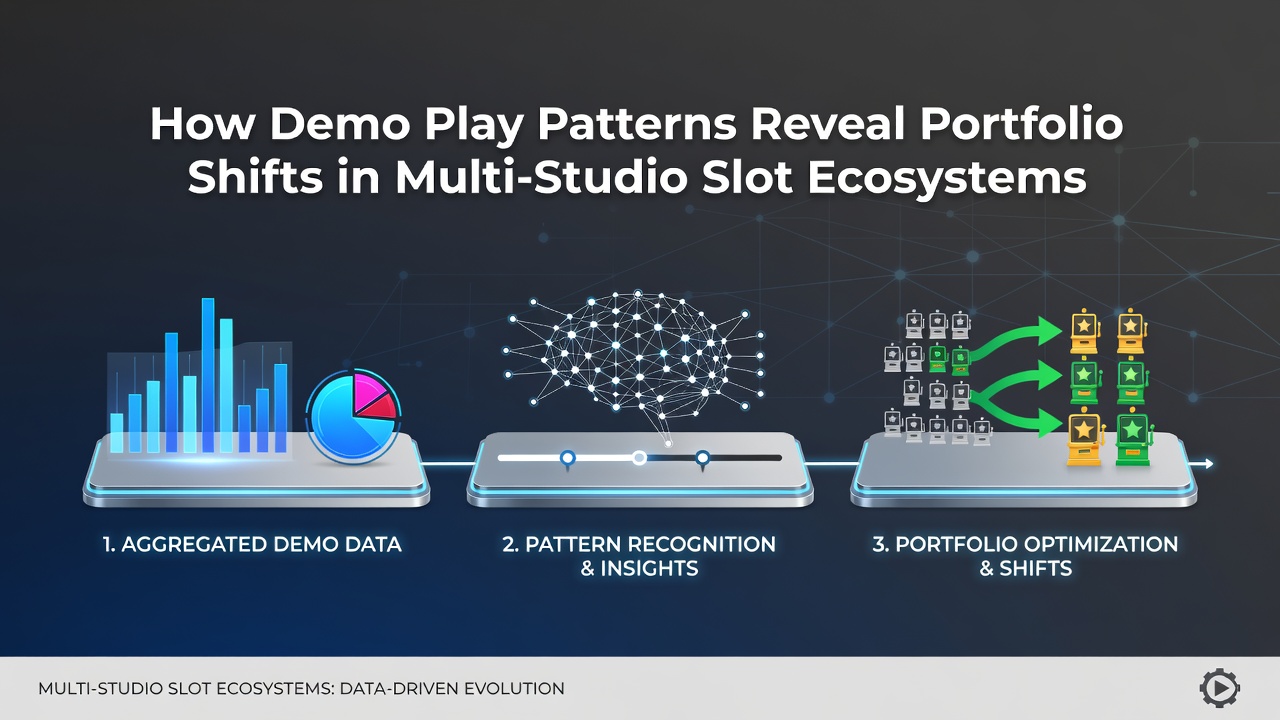
Demo play patterns have emerged as a reliable lens for tracking how studios adjust their offerings within aggregator platforms that host libraries from dozens of developers, and these patterns surface through metrics like session length, feature trigger frequency, and bet size distribution during free-to-play sessions. Observers note that when players gravitate toward certain volatility levels or bonus structures in demo mode, the data often precedes actual portfolio adjustments by weeks or months, allowing operators to anticipate which titles will move into prominent placement or receive mechanics updates.
Understanding Data Streams from Demo Environments
Aggregators collect anonymized demo interaction logs that capture everything from initial spin counts to abandonment points, and these logs feed into models that flag when engagement clusters around specific game types shift noticeably. Research indicates that studios respond to these signals by reallocating development resources toward mechanics that sustain longer demo sessions, while titles showing early drop-off rates receive reduced marketing support or get phased into lower-visibility sections of the library. According to figures from the Nevada Gaming Control Board, operators in regulated markets have reported measurable changes in live play distribution that mirror demo trends observed three to six weeks earlier.
Multi-studio ecosystems create unique visibility challenges because each developer maintains its own release cadence and mechanical preferences, yet demo data cuts across these boundaries to reveal broader movements. When one studio increases the frequency of hold-and-win features in its new releases while another emphasizes cascading reels, demo play volumes quickly reflect which approach captures sustained attention, and portfolio managers use that information to negotiate placement priorities within the shared platform.
August 2026 Trends in Aggregator Libraries
During August 2026, several aggregators documented a noticeable uptick in demo sessions centered on medium-volatility titles with mid-range multipliers, a pattern that coincided with studios quietly adjusting their upcoming pipelines away from ultra-high-volatility releases. Data shows this movement aligned with seasonal player behavior in North American markets, where operators noted increased retention when libraries balanced risk profiles more evenly across providers. Those monitoring these shifts observed that studios with historically aggressive volatility profiles began incorporating more accessible base-game features to maintain demo engagement metrics.
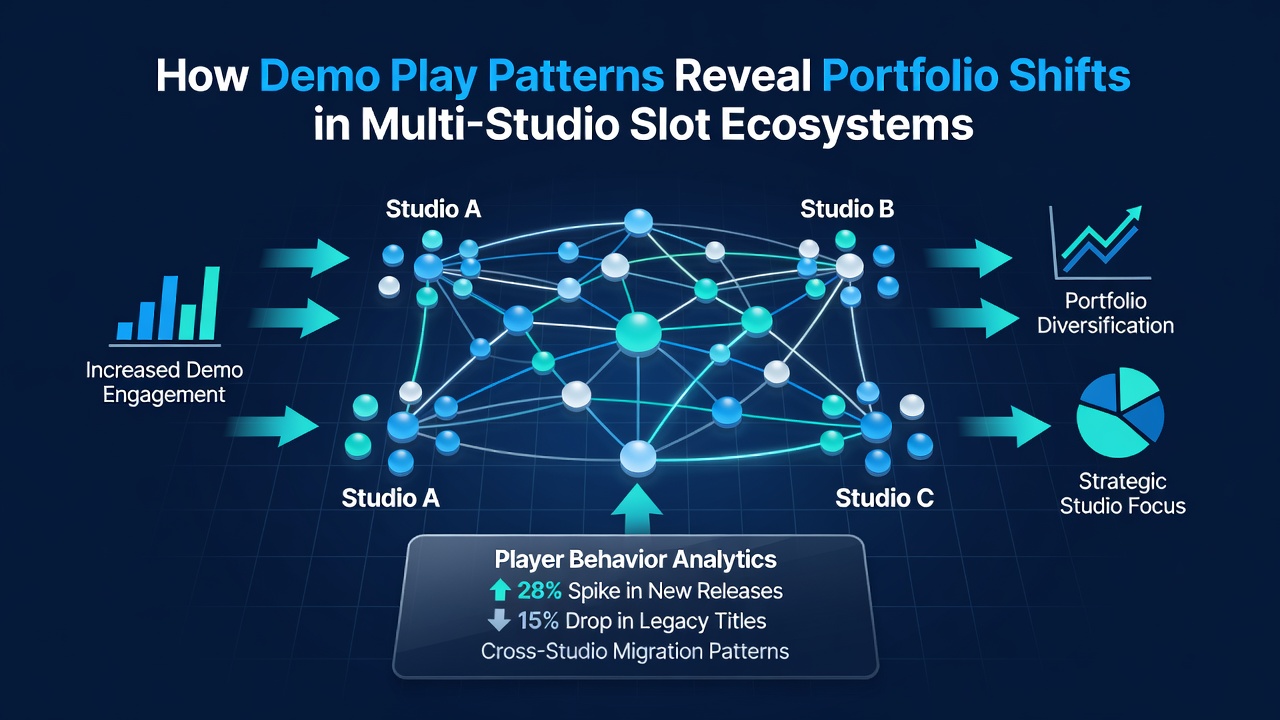
What's interesting is how these demo-derived signals influence cross-studio collaborations. When one developer's demo data reveals strong interest in a particular bonus trigger mechanic, partner studios sometimes adapt similar elements in their own titles scheduled for later quarters, creating ripple effects that become visible in subsequent release calendars. Industry reports from the Malta Gaming Authority highlight how such adaptations have accelerated feature standardization across otherwise distinct studio identities without compromising individual branding.
Linking Demo Metrics to Live Portfolio Decisions
Portfolio managers rely on conversion rates between demo sessions and real-money play as a key indicator, and sustained demo popularity without corresponding live uptake often prompts studios to modify volatility settings or bonus frequency in subsequent updates. This feedback loop operates continuously within aggregator frameworks, where real-time dashboards surface anomalies that might otherwise remain hidden until monthly performance reviews. Studies from academic gaming research groups have found that studios incorporating demo analytics into quarterly planning cycles achieve more consistent placement in top-performing library sections compared with those relying solely on internal testing.
Take one aggregator that noticed demo players repeatedly extending sessions on games featuring progressive multipliers during low-stake testing, and that observation led multiple studios to introduce scaled-down versions of similar mechanics in mid-year releases. The pattern repeated across different providers because the underlying data pointed to a shared player preference that transcended individual studio styles, prompting coordinated adjustments rather than isolated experiments.
Regional Variations in Demo-Driven Adjustments
Regulatory environments shape how quickly studios act on demo insights, with markets requiring detailed monthly reporting seeing faster alignment between demo signals and live portfolio changes. Australian regulatory bodies have documented cases where demo engagement data influenced the timing of new game approvals, as operators sought to align offerings with demonstrated player interest before committing to full marketing campaigns. These regional differences create staggered adoption curves, where patterns observed in one jurisdiction appear in others several months later as studios refine their approaches based on initial results.
Conclusion
Demo play continues to function as an early-warning system for portfolio realignments across multi-studio slot ecosystems because the data captures unfiltered player preferences before financial stakes alter behavior. Aggregators and developers that systematically integrate these metrics into release planning gain clearer visibility into which mechanics will sustain long-term library performance, while those ignoring the signals risk misallocating resources toward features that fail to resonate beyond initial exposure. As platforms grow more interconnected, the value of demo-derived intelligence for anticipating studio-level shifts will likely increase rather than diminish.