Decoding Adaptive Mechanics in Slot Designs Amidst Expanding Casino Collaborations
Nils Sullivan · May 19, 2026

Decoding Adaptive Mechanics in Slot Designs Amidst Expanding Casino Collaborations
Adaptive mechanics now shape many slot designs because developers adjust reel behavior, bonus frequency, and volatility levels during live sessions according to aggregated player data patterns, and casino collaborations accelerate these adjustments by sharing infrastructure across multiple operators in different jurisdictions. Research indicates that such systems rely on algorithms monitoring spin outcomes and session duration to modify feature triggers without altering certified return-to-player percentages, while partnerships between providers and casino groups enable quicker deployment of these tools through shared compliance frameworks.
Core Components of Adaptive Slot Mechanics
Developers integrate several layers into adaptive designs, beginning with real-time volatility scaling that responds to consecutive losses or wins by shifting symbol distribution weights on subsequent spins. This approach connects directly to bonus round modifications, where trigger rates may increase or decrease based on historical engagement metrics collected from similar player cohorts. Observers note that these changes occur within pre-approved mathematical boundaries set by testing laboratories, ensuring regulatory approval remains intact across markets.
Another layer involves dynamic payline activation, in which certain lines become highlighted or deactivated depending on the current session's payout ratio, and this mechanic often appears in titles released through joint ventures between established software houses and regional casino networks. Data from industry analyses shows that players encounter these adaptations most frequently in high-traffic online environments where collaboration agreements allow for unified backend systems that update across multiple sites simultaneously.
Impact of Expanding Casino Partnerships
Partnerships between slot providers and casino operators have grown notably in scope by May 2026, with several agreements focusing on technology sharing that supports adaptive feature rollout. These alliances typically involve joint investment in data analytics platforms that feed player behavior signals into slot engines while maintaining separate licensing requirements for each jurisdiction. Experts have observed that such collaborations reduce implementation timelines from months to weeks because regulatory submissions can reference shared certification reports rather than requiring entirely new evaluations for each operator.
One documented example centers on a North American operator group that partnered with a European developer to introduce adaptive elements into a classic fruit-themed slot, resulting in session-length bonuses that scale according to average bet size patterns recorded across the network. Figures from the Alcohol and Gaming Commission of Ontario reveal that similar mechanics have undergone review processes emphasizing transparency in how adaptation thresholds are set and audited.
What's interesting is how these partnerships also influence content distribution, since operators gain early access to updated versions that incorporate feedback loops from their own player bases. The result appears in staggered releases where one casino might test a specific adaptation module before broader rollout occurs through the same collaborative framework.
Regulatory and Technical Considerations in 2026
Regulatory bodies continue to examine adaptive mechanics for compliance with existing fairness standards, and May 2026 brought additional guidance documents from several agencies clarifying documentation requirements for algorithm updates. Developers must submit detailed logs showing that adaptations stay within certified ranges, while casino partners handle ongoing monitoring through centralized reporting systems established under their agreements. Nevada Gaming Control Board publications outline testing protocols that now include simulated adaptive sessions to verify stability under varying load conditions.
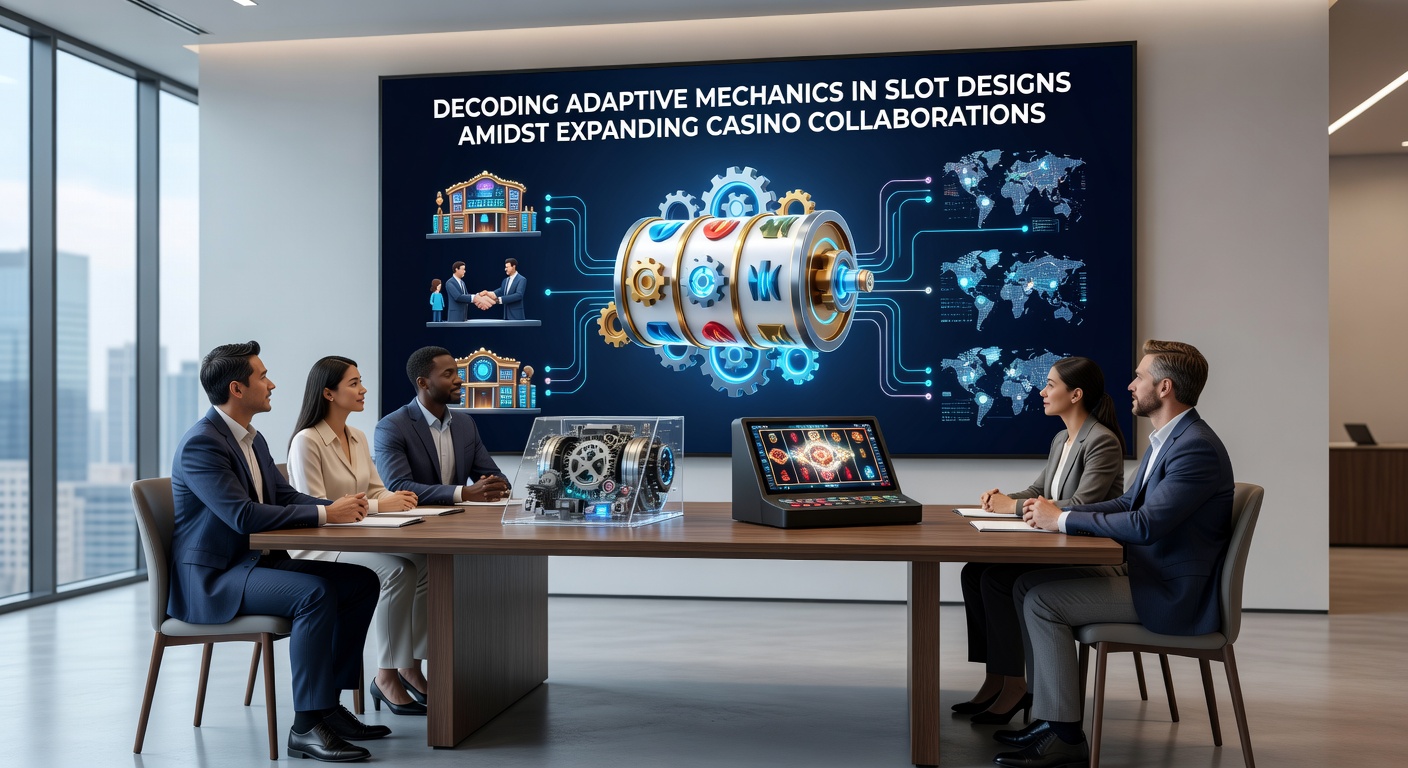
Technical implementation often relies on cloud-based modules that push configuration changes without requiring full game reinstalls, and this capability proves especially valuable when multiple casino brands operate under a single partnership umbrella. Research from university gaming studies indicates that such modular approaches maintain game integrity because core random number generators remain untouched while only presentation and trigger layers receive adjustments.
Examples from Recent Collaborations
Take one collaboration announced earlier in 2026 between a major content supplier and a multi-state casino operator, where adaptive free-spin multipliers were introduced that respond to the frequency of small wins within a defined window. Players in that network experienced multiplier increases during extended dry spells, all while total payout percentages stayed consistent with original certification. Another partnership involving an Asian operator group incorporated symbol stacking adjustments that activate based on collective session data across linked properties, demonstrating how geographic diversity in alliances supports broader testing of adaptation logic.
These cases illustrate that adaptive mechanics function as extensions of existing bonus structures rather than complete overhauls, allowing operators to differentiate their offerings through partnership-driven customization while providers retain control over the underlying mathematics.
Conclusion
Adaptive mechanics continue to integrate into slot designs as casino collaborations expand their technical and regulatory reach, with developments through May 2026 highlighting faster deployment cycles and refined compliance pathways. Data shows that these systems operate within established certification limits, relying on shared analytics platforms that support consistent player experiences across partnered networks. Observers note that future iterations will likely build on current modular frameworks, further connecting provider innovations with operator-specific insights without compromising certified standards.