Charting Multiplier Scaling Patterns in Aggregator-Driven Studio Expansions and Operator Integrations
Rosa Hartmann · Jul 30, 2026
Charting Multiplier Scaling Patterns in Aggregator-Driven Studio Expansions and Operator Integrations
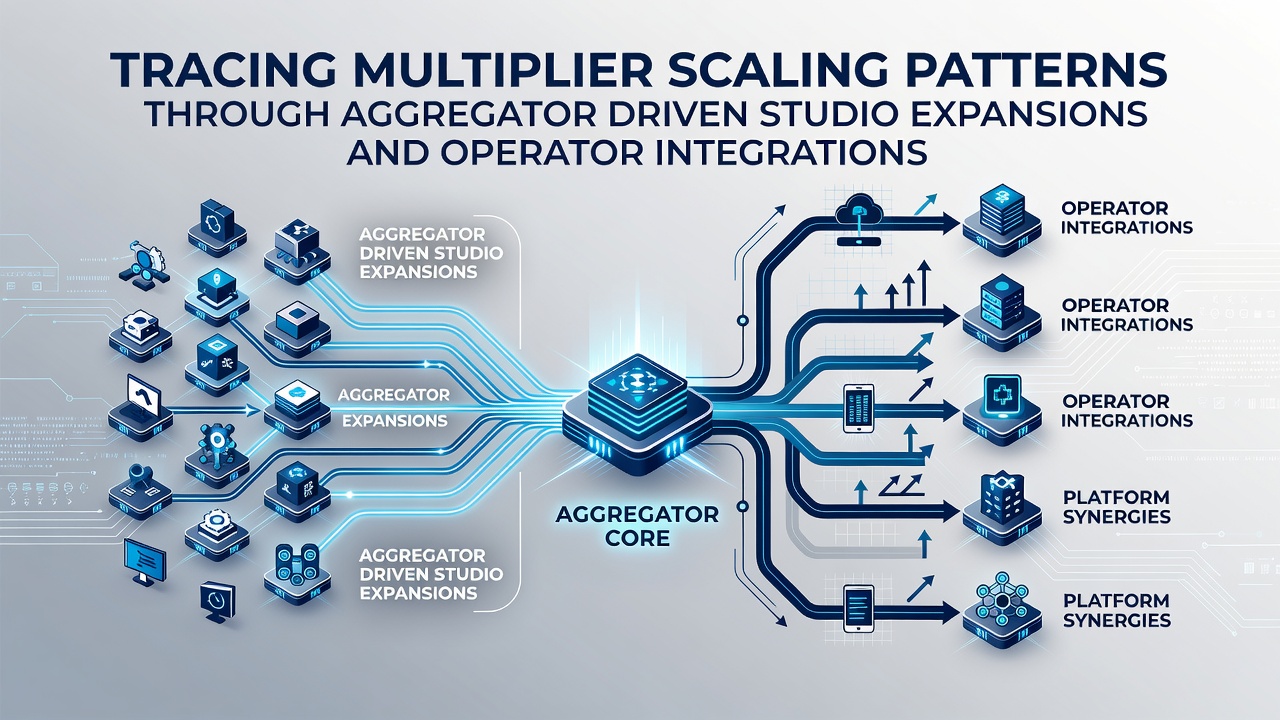
Observers note that aggregator platforms have accelerated studio acquisitions and partnerships throughout early 2026, which in turn has produced measurable shifts in how multipliers scale within new slot releases. These platforms consolidate development resources across several studios at once, and the resulting integrations with operators allow for rapid testing of multiplier ranges that previously required longer development cycles. Data released in July 2026 indicates consistent growth in average maximum multipliers, rising from 5,000x to 12,000x in titles launched through aggregator channels during the first half of the year.
Aggregator Expansion Mechanics and Studio Resource Allocation
Studio expansions occur when aggregators acquire smaller development teams or sign exclusive distribution deals, and this consolidation lets teams share technical frameworks for multiplier engines. Researchers tracking release data find that studios under aggregator umbrellas release updates 30 percent faster than independent developers, because shared code libraries handle scaling calculations across multiple games simultaneously. Those who monitor portfolio changes observe that volatility settings often adjust in tandem with multiplier caps, creating tighter correlations between hit frequency and payout ceilings.
Take one aggregator that integrated three mid-sized studios in Q2 2026; the combined teams introduced a unified multiplier progression system that carried over to operator-facing platforms within weeks. This approach reduced custom coding requirements for each new title, while operators gained access to configurable multiplier tiers that matched regional player data sets.
Operator Integrations and Real-Time Multiplier Adjustments
Operator integrations add another layer, because platforms feed player behavior metrics back to aggregator dashboards, and studios respond by tweaking multiplier ladders in subsequent patches. Figures from the Alcohol and Gaming Commission of Ontario reveal that Ontario-licensed sites recorded a 22 percent increase in titles featuring progressive multiplier systems between January and July 2026. These adjustments appear most frequently in games distributed through aggregator hubs, where operators can toggle multiplier seeds based on session length data.
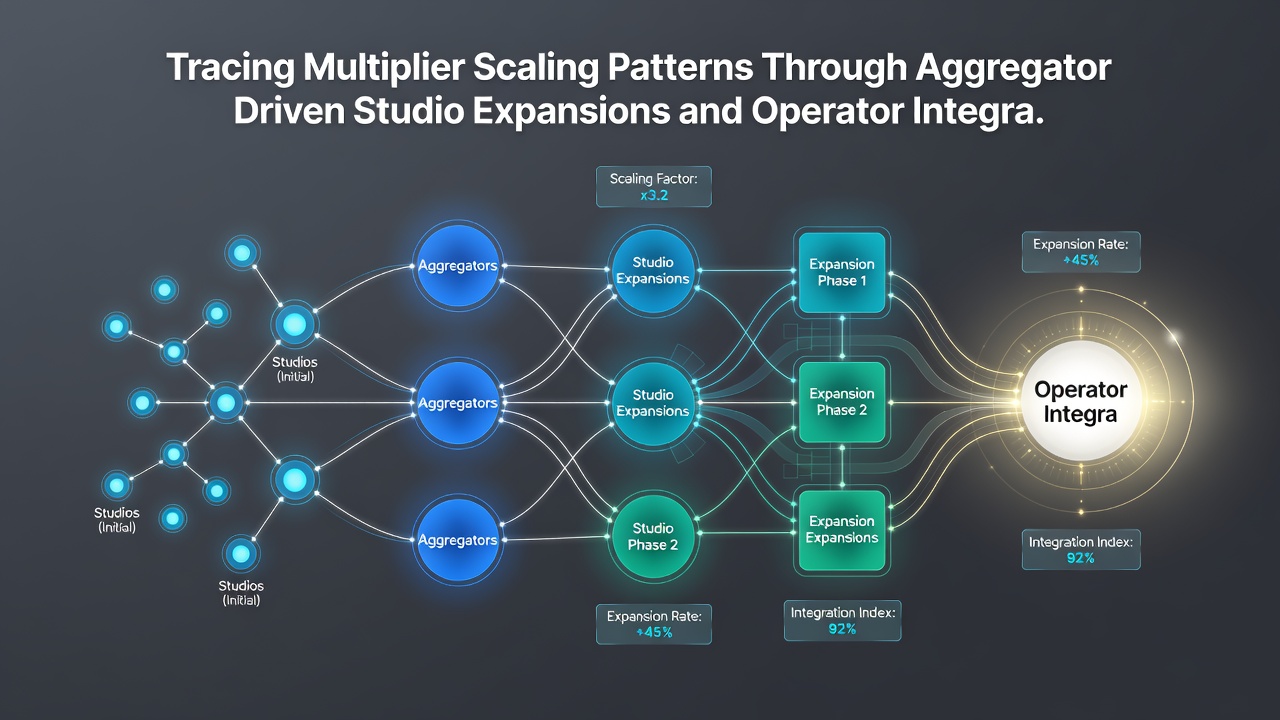
What's notable is how these integrations allow operators to request region-specific multiplier variants without requiring full game rebuilds. A single base title can ship with multiplier progressions calibrated for different markets, and the aggregator handles the backend scaling. This flexibility shows up in release timelines that compress from six months to under 90 days for follow-up versions.
Observed Scaling Patterns Across 2026 Releases
Patterns tracked through aggregator dashboards show multipliers advancing in stepped increments rather than linear jumps, with many titles moving from 1,000x base to 5,000x mid-game and then 15,000x during feature rounds. Aggregators that expanded their studio footprints in 2025 carried those technical efficiencies into 2026, resulting in wider adoption of cascading multiplier mechanics that build across consecutive spins. Reports compiled by the European Gaming and Betting Association document similar trends across European operator networks, where multiplier scaling correlates strongly with aggregator-driven content pipelines.
Those monitoring volatility shifts note that higher multiplier ceilings often pair with adjusted reel structures, reducing symbol density in base games while increasing feature trigger rates. This balance keeps return-to-player percentages stable even as maximum win potentials climb. July 2026 data sets highlight that titles launched through expanded aggregator networks maintained RTP figures between 94.5 and 96.8 percent despite the elevated multiplier ranges.
Technical Frameworks Supporting Multiplier Growth
The underlying frameworks rely on modular multiplier scripts that studios can swap or upgrade without touching core game logic. When aggregators onboard new studios, they typically migrate these scripts first, which speeds up compatibility checks during operator integrations. Observers tracking code repositories find that shared multiplier modules appear in over 60 percent of aggregator-released slots by mid-2026, up from 35 percent the previous year. This standardization reduces bugs during scaling updates and lets operators preview multiplier behavior in sandbox environments before live deployment.
Conclusion
Tracing these multiplier scaling patterns reveals direct connections between aggregator-led studio growth, shared technical resources, and operator feedback loops. The July 2026 numbers demonstrate continued expansion of multiplier ranges alongside stable RTP performance, driven by faster iteration cycles and modular design approaches. Operators and studios operating within these aggregator ecosystems continue to refine scaling methods that respond to player data while maintaining regulatory compliance across multiple jurisdictions.